

Adopt
Adopt a Working Cat
Whether you run a business or maintain a barn or want to keep pests away from your home, we can help you find the perfect working cat for your space.
About the Program
Not Every Cat Needs A Traditional Family Home
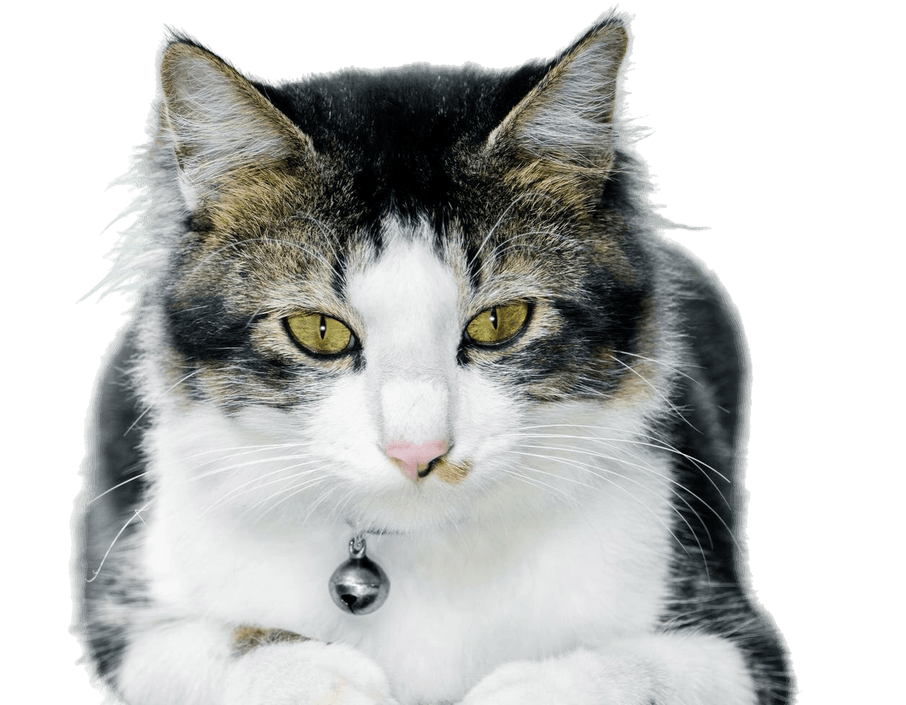
Working cats are healthy, unsocialized cats who live outdoors and keep pests away from barns, businesses, and back yards. They are free to adopt and come spayed or neutered, vaccinated, and microchipped.
Why Adopt a Working Cat?
Working Cat Benefits
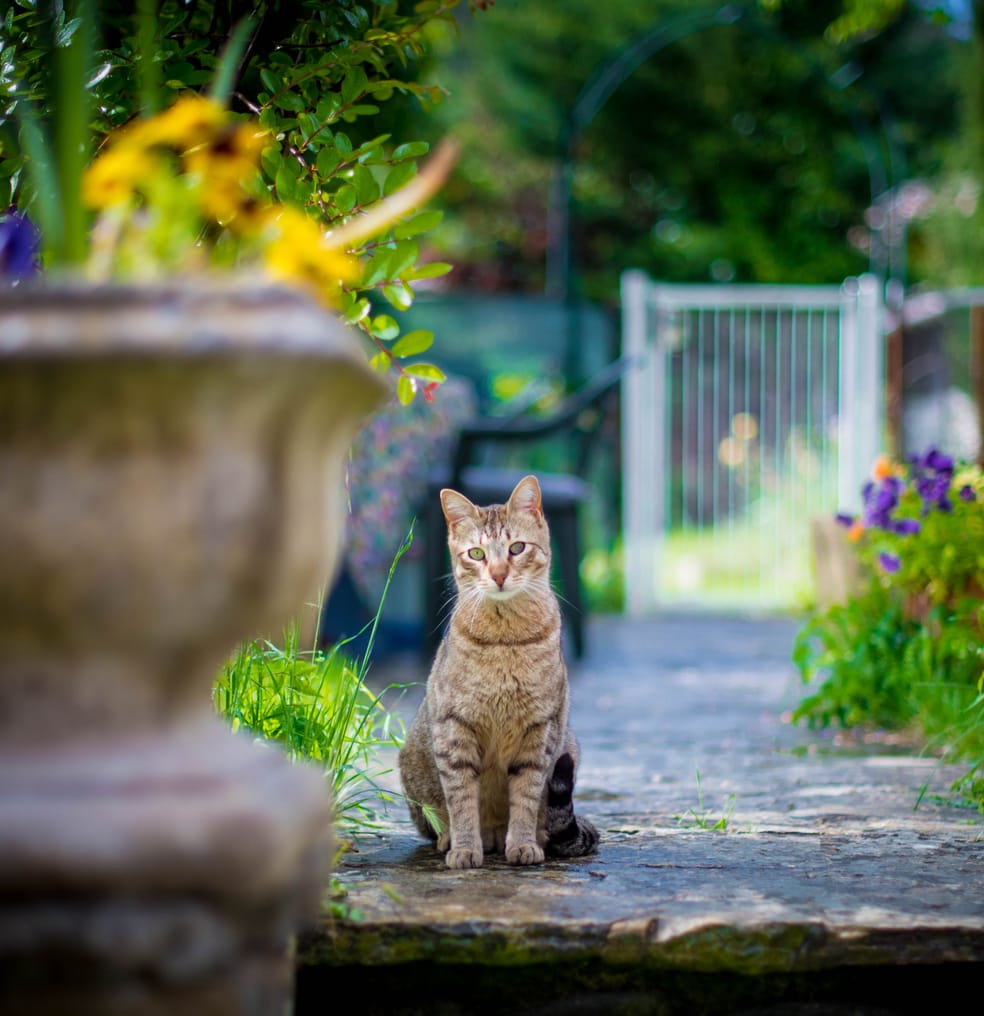
Rodents and birds typically look elsewhere once a working cat is on the property. In return, a healthy cat that prefers life outdoors gets a home of its own.
-
Free to Adopt
Working cat adoptions have no adoption fee.
No adoption fee
-
Pre-Adoption Vet Care Included
All working cats are spayed or neutered, vaccinated, microchipped, and treated for worms and fleas.
Spayed, vaccinated, microchipped
-
Company for Each Other
Cats settle in more successfully when adopted in pairs or groups, so PVAS strongly prefers not to adopt out single working cats.
Pairs or groups
-
A Safe Start
PVAS provides an acclimation cage and full instructions for the first two weeks, while the cats adjust to their new surroundings.
Cage and instructions provided


Requirements
What Adopters Provide
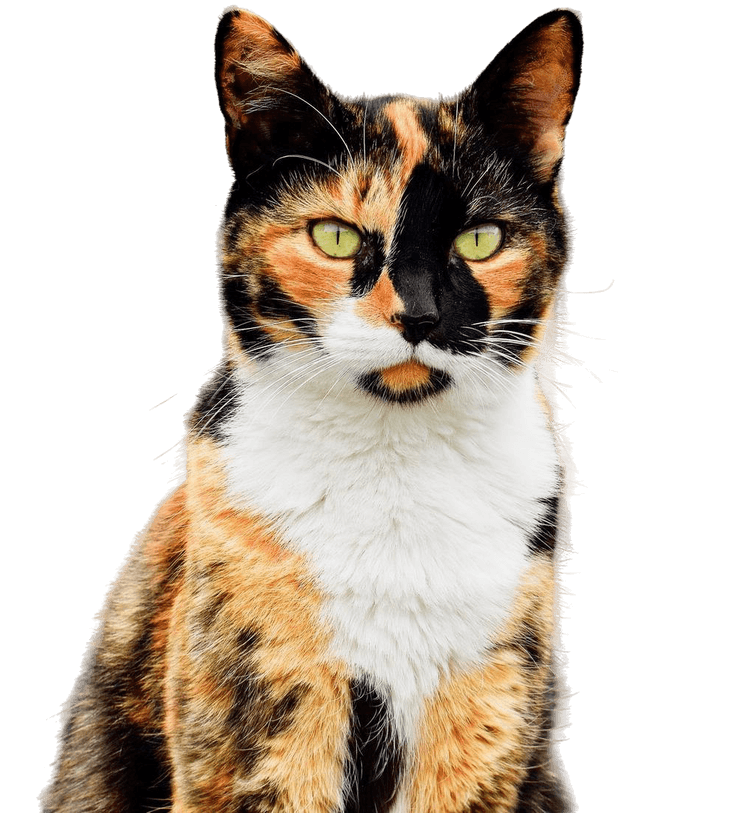
Adopters provide daily food and water, access to shelter such as a barn, shed, stable, or garage, and any necessary vet care.
Contact us about working catsWorking Cat FAQ
Your Questions, Answered
Not sure if a working cat is right for your space? Start here.
What is a "Working Cat"?

Working cats, also called barn cats, are healthy, unsocialized (feral) cats that prefer to live outdoors. They "work" by keeping pests off your property. Typically, their very presence causes rodents and birds to look elsewhere for food and shelter.
How Much Does it Cost to Adopt One?
The adoption fee is waived. PVAS asks only that you provide food, water, shelter, and any necessary vet care.
What Do I Do When I Bring the Cats Home?
New cats must be confined to a secure enclosure for two weeks while they adjust to their new surroundings. PVAS provides an acclimation cage and full instructions. After release, continue to provide daily food and water, and make sure the cats have access to shelter. Cats acclimate more successfully when adopted in pairs or groups, so PVAS strongly prefers not to adopt out single working cats.
Are They Spayed or Neutered?
Yes. All working cats are spayed or neutered, vaccinated, microchipped, and treated for worms and fleas.
Are They Friendly?
Working cats are not social cats that want to be lap cats inside your home. They cannot be touched, though you may find they gain trust in their caregivers over time. They may eventually "talk" to you, demanding their dinner, or allow a rare ear scratch. PVAS strongly encourages an independent outdoor life with appropriate shelter, like a barn or garage.
Do You Have Working Kittens?
The youngest cats in the program are about six months old. Younger kittens do not yet have the knowledge, size, or skills to stay safe outdoors. Most cats are young adults between one and five years old, though younger and older cats are occasionally available.
What Do Working Cats Require?
Access to shelter (a barn, shed, stable, or garage) plus daily food and water.