

Cat Foster
Foster a Cat or Kitten, and Watch Them Thrive
Whether it’s a litter of bottle-fed kittens or a cat recovering from ringworm, a foster home gives them what a shelter can’t. We provide everything you need, and you provide the home.
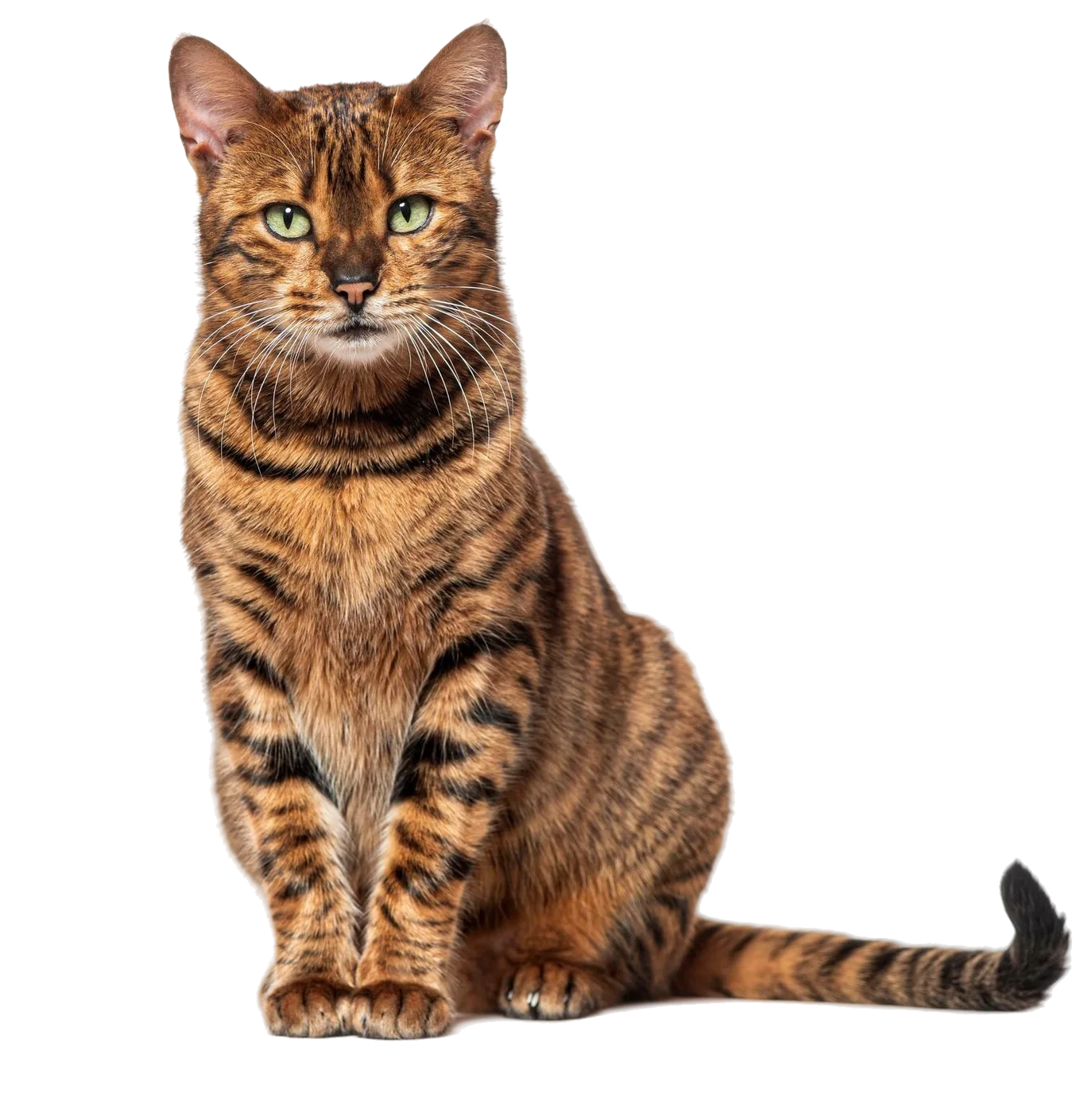

Greatest need right now
Bottle-fed kittens.
Two Ways to Help Cats in Our Care
-
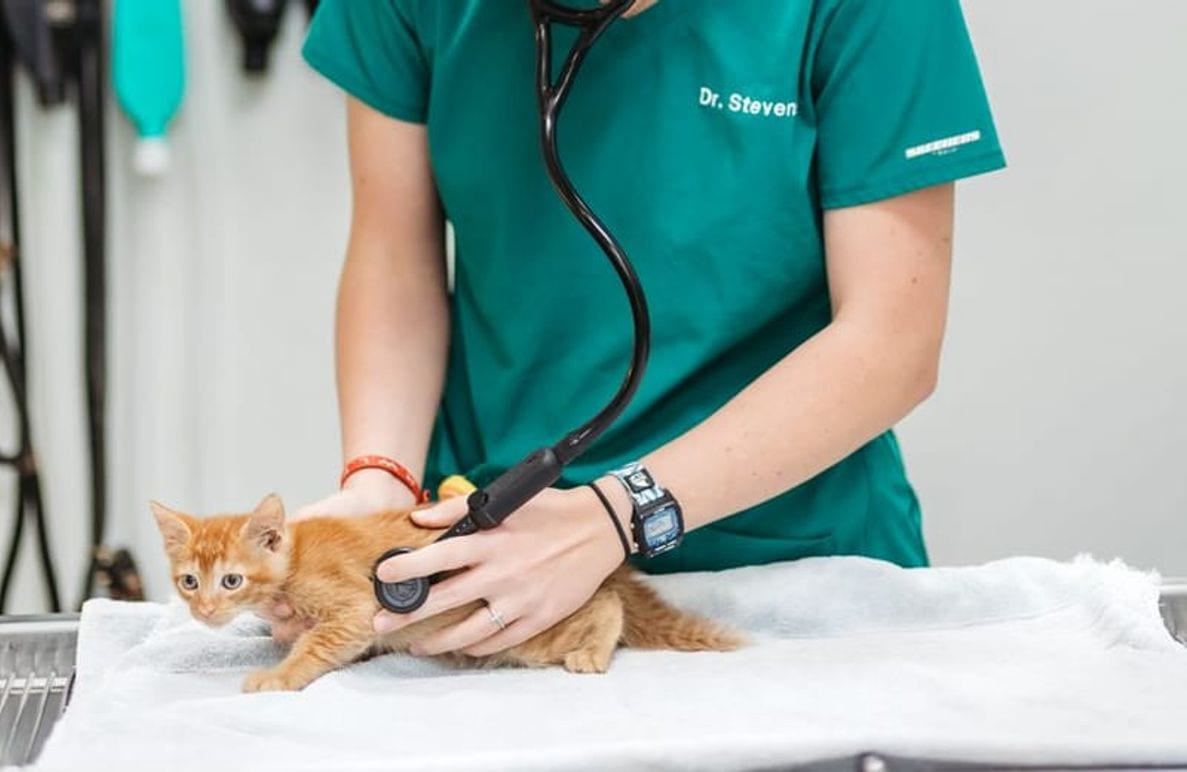
Medical foster
Cats with ringworm
Ringworm is not a worm. It is a fungal infection closely related to athlete’s foot. It most often affects young animals and those with weakened immune systems. In cats, it usually shows up as round patches of hair loss on the head, ears, feet, and tail. We provide all the medication and show you how to give each treatment. Apart from their diagnosis, these cats are healthy and happy.
What to expect: you will give daily topical treatments, PVAS provides all supplies, and the commitment is 2 to 6 weeks.
-
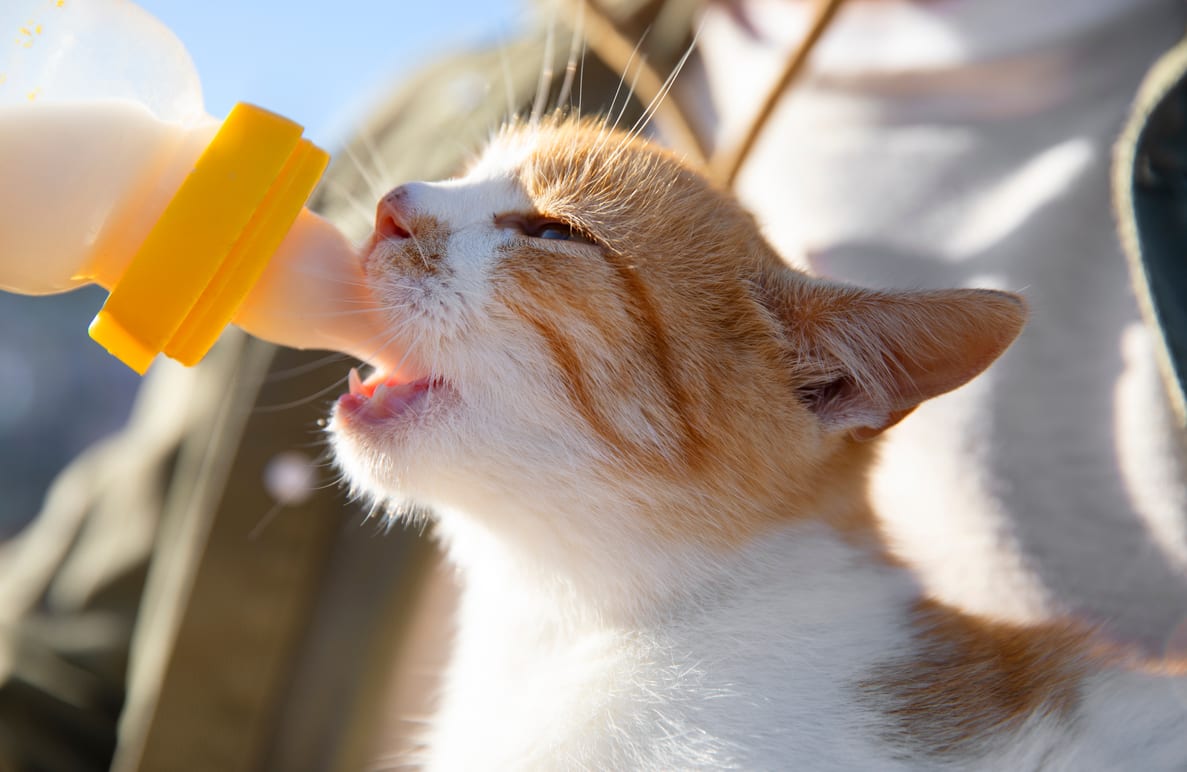
High commitment
Bottle babies
Newborn kittens need a surrogate mother. Bottle babies must be fed formula every 2 to 4 hours, helped to go to the bathroom, kept on a heat source, and weighed before each feeding. The commitment averages 2 to 4 weeks, depending on the kittens’ age. Once kittens are four weeks old, feedings become less frequent. Fosters tell us that watching the babies grow and thrive makes every early morning worth it. We will often ask you to take the whole litter to foster.
You Provide the Home. We Provide Everything Else.
- All medication and supplies
- Vet care coordination
- Food for your foster pet
- Foster team support every day, 12 to 6 p.m.

What You Need to Foster a Cat
- Be at least 18 years old.
- Have a spare room or enclosed space for your foster cat.
- Provide transportation for veterinary visits or emergencies.
- Commit to the full foster period for your cat’s type.
- Stay in contact with your foster coordinator for the whole placement.
Cat foster FAQ
Cat Foster Questions
General
I Just Brought My Foster Cat Home. Now What?

Give them a calm place to relax — usually a bathroom or guest space — with access to food, water, and a litter box. All cats coming from the shelter must go through a 10–14 day quarantine apart from all other pets. Even if they look healthy, they may be incubating illness. Quarantine in an easy-to-sanitize area.
How Long of a Commitment Am I Making?
It varies. For kittens, it depends on their age — 7-week-olds might be adopted within a week of arrival; 2-week-olds could mean 6+ weeks with you. Adult cat timelines vary widely. The more marketing you help with, the faster placement happens. Give at least a week’s notice if you need to transfer your foster.
Is There an Online Group for Palm Valley Animal Society Fosters?
Yes — PVAS Volunteers and Fosters on Facebook. Post photos, ask questions, find sitters, and get updates.
How do I Find Out Which Cats are Available to Foster?
PVAS sends regular “foster plea” emails and posts needs in the Facebook group. To offer to foster, email foster@pvastx.org.
What Do I Do if I Have to Go Out of Town?
Sitters must be PVAS-approved fosters. Email foster@pvastx.org one week in advance with: start/end dates, current medications, feeding status (bottle baby, syringe gruel, independent eater, or nursing mom), and a photo. Fosters are NOT permitted to take neonatal fosters out of town — you must request a babysitter.
What Do I Need to Foster a Cat?
- Food, water, and bowls
- Cat litter, litter box, and scoop
- Toys
- Scratching post
Can I Foster More Than One Group at a Time?
Sometimes, at staff discretion. Start with one litter to get familiar with PVAS procedures. Once experienced, you may foster up to two groups — provided you have room to keep them separate from each other and from resident pets.
I Have Resident Cats. Can I Still Foster?
Yes. You need a separate space (bathroom, spare bedroom). After a 10–14 day isolation period, if everyone is symptom-free and medication-free, vaccinated resident cats can be introduced under supervision.
Can My Foster Cat Meet My Dog?
If your dog is cat-friendly and you’re fostering an adult cat, supervised introductions are okay. Foster kittens may not meet dogs — even friendly dogs can unintentionally injure a kitten. Pregnant or nursing moms must be kept separate from all other animals at all times.
I Need to Return My Foster. What Do I Do?
Foster kittens cannot simply be returned to PVAS — we may not have space, and the shelter environment risks illness in developing immune systems. Email foster@pvastx.org with: the date you need the foster moved, current medications, feeding status, and a photo. Give as much notice as possible.
Why Isn’t My Foster Cat Being Social?
Cats sometimes take weeks to adjust, especially those needing socialization. Try a bathroom or closet to limit hiding spots. Use treats and toys to build positive associations. Never force interaction — let your cat open up on their own schedule.
Kittens
Why are there so many orphaned kittens?
Kittens need constant care that shelter staff can’t adequately provide. Their developing immune systems are more vulnerable to shelter illness and stress. Foster homes reduce exposure to illness and allow one-on-one care that saves lives.
What do I feed my kittens?
Bottle babies (up to ~4 weeks): KMR (kitten milk replacer). Once canine teeth are fully in: premium canned kitten food (pate style) mixed with water to applesauce consistency. Always leave kibble available once teeth are in. See the Feeding Kittens guide for full details.
How much do kittens need to eat?
Bottle babies & syringe gruel kittens: 5% of body weight at each feeding. Weigh before and after every feeding.
- Bottle babies: every 2–3 hours during the day, one longer period (up to 6 hours) overnight
- Syringe gruel kittens: every 4–6 hours during the day, up to 8 hours overnight
- Independent eaters: fresh food every 6 hours, plus kibble and water available at all times
How do I kitten-proof my home?
Watch for: reclining or rocking chairs, toilets and drains, doors and exits, dogs, washers and dryers, appliances with gaps, small objects (rubber bands, paper clips), chemicals and cleaners, houseplants (many are toxic), and electrical cords.
My kitten is lethargic and cold and I can’t rouse them. What do I do?
Start the Fading Kitten Protocol immediately. Once you have the kitten wrapped and on heat with sugar-water drops every 3 minutes, call 956-330-3206. See the Fading Kitten Protocol guide in the Kittens section.
Do I get to name my foster kittens?
If you foster a pregnant cat, you can name her kittens once born — PVAS will assign a litter letter/number and names must start with that letter. All other cats and kittens are named by staff.
Can I only foster one kitten?
Generally no — kittens do better in pairs or groups of at least two for appropriate socialization. PVAS will find a buddy in the same age and weight range once quarantine is over.
I work full-time. Can I still foster neonatal kittens?
Yes, if you can maintain the feeding schedule. Bottle babies need feeding every 2–3 hours during the day; syringe gruel kittens every 4–6 hours. If this doesn’t work, consider fostering pregnant/nursing moms (supplementing only twice a day) or kittens over ~8 weeks who don’t need hand-feeding.
Adoption process
When do foster kittens go to their adoptive homes?
Adoptions must be officially approved and all fees paid before a kitten can go home. Transfer the animal as soon as possible once approved and notify PVAS staff of any delays.
How do I get my cat adopted?
Visit the Foster Pet Marketing page for tips and tools.
Can I pick the best adopter?
PVAS adopts on a first come, first served basis to avoid personal biases affecting placement. If you have genuine concerns about a specific adopter, email foster@pvastx.org — they want to hear concerns, but the open adoption process ensures all qualified families get a fair chance.
Can I or a family member adopt my foster kittens?
Absolutely — fosters always have first dibs on their foster pet. You still need to go through the official adoption process, and the pet must remain in your possession until the adoption is complete.
Can I advertise my kittens on social media?
Yes! See the foster marketing page for guidance.
Medical
Can you make sure my foster is healthy before I take them?
PVAS does its best to identify and begin treatment for illnesses before placement, but this isn’t always possible. Shelters are stressful and stress affects the immune system. Most illnesses have incubation periods, so cats that appear healthy may develop illness in foster. Kittens’ immune systems are still developing — mild illness (diarrhea, URI, ringworm) is very common. If matched with a cat who develops mild to moderate symptoms, PVAS needs you to continue fostering and treat them — with their help of course.
I’m concerned about ringworm. Can you screen for it?
Ringworm is very common in Texas. PVAS will do its best to match you with ringworm-free kittens, but if they develop it in foster, continued fostering and treatment (with PVAS support) is needed. See the Ringworm guide in the Medical section for full information.
I’m worried about spreading disease to my resident cats. How can I protect them?
Keep resident cats current on core vaccinations (required if they’ll interact with fosters). Comply with isolation period requirements. Practice good sanitation — wash hands, don’t share items between fosters and residents, clean frequently. If still concerned, keep foster kittens separate from resident cats the entire placement.
My kitten has mild symptoms. What do I do?
Email foster@pvastx.org. The foster team will respond as soon as possible with next steps.
Cleaning & disinfection
What cleaning products can I use?
Start with an all-purpose cleaner like 409 or Simple Green. Both are pet-safe and kill most germs. For ringworm, use a diluted bleach solution (1 part bleach to 10 parts water) on hard surfaces and add color-safe bleach to laundry. For panleukopenia (feline parvo), bleach at a 30:1 ratio (water:bleach) is required — see the Panleukopenia guide for the full disinfection protocol.
What if my foster had a contagious illness — how long before I can take another foster?
- Calicivirus: Foster home must be calici-free for 6+ months before housing unvaccinated cats or those with fewer than two vaccines.
- Panleukopenia: Foster home must be panleuk-free for 6+ months before housing unvaccinated cats or those with fewer than two vaccines.
Contact the foster team for guidance specific to your situation.
Neonatal kittens
Can I foster neonatal kittens if I work full-time?
Yes, if you can keep up with the schedule. Bottle babies need feeding every 2–3 hours during the day; syringe gruel kittens every 4–6 hours. If this isn’t feasible, consider nursing moms (supplementing only twice a day) or kittens over ~8 weeks old who don’t need hand-feeding.
Can my kids co-foster with me?
All fosters must be at least 18. Adults who will help bottle/syringe feed or medicate must complete the online training and virtual feeding practice. Kids can always help with socialization.
Can I foster just one neonatal kitten?
Generally no — kittens need to be fostered in groups of at least two to learn appropriate behavior and become well-socialized. PVAS will find a buddy in the same age and weight range once quarantine is over. If you can only take one, PVAS will pair your kitten with another foster once quarantine completes.
How do I use Maddie’s Pet Assistant app?
PVAS foster caregivers have free access to the Maddie’s Pet Assistant (MPA) app, which provides health and behavioral support. You’ll receive a setup email the same day you pick up your foster pet. The app covers cats/kittens of all ages. Watch the overview video for more info.
Labor & delivery
My mom cat is giving birth outside the nesting box. What do I do?
Let her have them where she wants. If the location isn’t safe or kittens risk getting cold, try moving kittens to the nesting box between kittens — she may or may not follow. Move the heating pad to wherever she settles.
How do I know when she’s done giving birth?
Generally it’s a matter of waiting. Kittens are usually born every 10 minutes to 1 hour, but moms can take longer breaks. As long as she’s not actively pushing, resting comfortably, alert, caring for kittens, and has pink gums, there’s generally no concern. If she has been having contractions and actively pushing for 30 minutes without producing a kitten, or if she appears in distress, call 956-330-3206.
What are signs of distress during labor?
Call the emergency line if you see: active pushing for 60 minutes without a birth, contractions stopping despite no delivery, contractions becoming weaker, fever (hot to the touch), extreme weakness, a kitten stuck in the birth canal, extremely foul-smelling discharge, large amounts of pooling blood, or pale gums.
My mom cat is panting after delivery. Is that normal?
Yes, panting for a few days after birth is common. Only concerning if combined with other distress signs listed above.
My mom cat still looks pregnant after giving birth. Are there more kittens?
Cats can look pregnant for some time post-delivery. Moms can go up to a day between kittens (rare). As long as she’s not actively pushing and appears comfortable and healthy, generally no cause for concern. If she has been pushing for 30 minutes without a kitten or appears in distress, call the team.
The kittens aren’t nursing right after birth. What do I do?
It can take a little time for kittens to find the “milk bar,” especially if mom is still in labor. Leave them mostly alone — they usually figure things out. If a kitten consistently seems lost, try placing them near a nipple and email your mentor for further guidance.
My mom cat keeps moving her kittens. Is that ok?
Yes, this is normal — moms move kittens to places they feel are safe. Move the heating pad to wherever she settles. If she splits the litter between two locations, let your mentor know so they can lend you an extra heating pad.
Ready to Foster a Cat?
Complete the cat foster questionnaire, and we will reach out when a cat who fits what you told us is ready.
Apply to foster a cat (opens in a new tab)Questions? Email foster@pvastx.org or text 956-278-0702.