

Foster
A Temporary Home Changes Everything.
Foster parents give animals something a shelter can’t: a real home. Fostering is free, and it saves lives, opens space for the next animal, and helps pets become the best version of themselves before adoption.

How fostering works
The Animals Are Here. So is the Need.
Right now, our greatest need is for medium-to-large dogs, about 40 to 60 pounds, and for bottle-fed kittens.

What Fostering Does for an Animal
- A Real Home Animals in foster homes show their full personalities, which a kennel can’t offer.
- Time to Recover Foster care helps animals get over their fears, recover from trauma, and get ready for a permanent home.
- More Room for the Next Animal Every foster placement frees up space for another animal to be saved.
- Part of a Life-Saving Record PVAS’s save rate is over 80%, the result of deliberate investment in foster, rescue, medical care, and education. A foster home is part of that.


How fostering works
Choose How to Foster
Short-term fostering gives shelter dogs a break from kennel life, even if only for a day. You don’t need any fostering experience, and you don’t need to commit for weeks.
-

Foster a Dog
All experience levels are welcome. We will match you with a dog who fits your home.
-
Foster a Cat
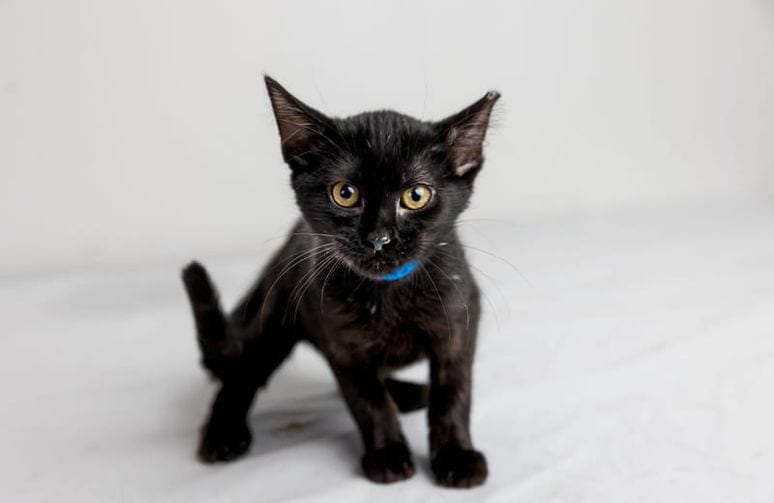
Cats and kittens thrive with one-on-one attention. Learn about our cat foster program, then apply.
-
Short-Term Foster
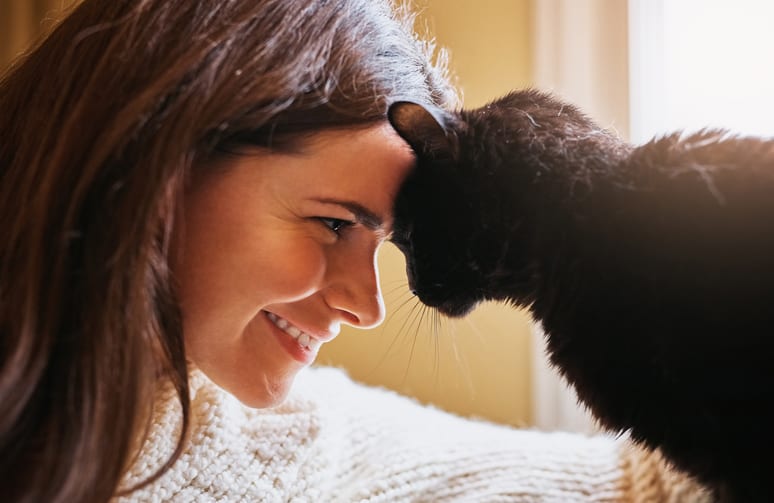
Even a weekend makes a difference. Check the current short-term opportunities.
How fostering works
Five Steps to Foster
Give a shelter pet a break from kennel life. Our simple five-step process makes short-term fostering easy, rewarding, and accessible to everyone — no prior experience or long-term commitment required.
-
Fill Out the Questionnaire
Complete our quick dog or cat foster application. It takes just 5 minutes, and our foster coordinator will contact you within 48 hours.
-
Attend a Foster Orientation
Learn everything you need to know before welcoming a foster pet. Our team will walk you through the basics and answer any questions.
-
We Find Your Match
We’ll get to know your preferences and lifestyle to find a shelter pet that’s the right fit for you and your home.
-
Meet and Greet
Have other pets at home? We’ll arrange a meet and greet at the shelter to help everyone get acquainted before the placement.
-
Welcome Your Foster Pet
Your foster coordinator will guide you through the process and support you every step of the way.
What You Need to Foster With Palm Valley Animal Society
- Be at least 18 years old.
- Live within a reasonable travel distance of the shelter.
- Provide transportation for veterinary visits or emergencies.
- Offer a safe, indoor, temperature-controlled space.
- Stay in contact with your foster coordinator for the whole placement.

Most foster families provide the food for their foster pet. If you need it, you can stop by the shelter to pick up a refill.
Fostering a cat? A few extra requirements are listed on the Cat Foster page.
Short-term foster
Only Have a Weekend to Give? That’s Enough.
Short-term fostering gives shelter dogs a break from kennel life, even if only for a day. You don’t need any fostering experience, and you don’t need to commit for weeks.
- Weekend stay
Paw-Jama Party
Give a dog a break from the shelter for a weekend sleepover. Most stays last 2 to 4 days. We provide everything you need. You don’t need any experience. A weekend in a home is a relaxed way to see whether a dog is housetrained or crate trained and how they behave around the house. What you learn helps other adopters, and your notes help the next family who is interested in that dog.
Paw-Jama Party is for dogs only.
- Day outing
Tails Around Town
Take a shelter dog out for a few hours, whether that’s through a drive-thru, on a trail walk, or for a ride with the windows down. Even a few hours out of the shelter makes a real difference. Check a dog out in the morning and bring them back by closing time. No overnight stay is needed.
This is for dogs only.


How Short-Term Foster Works
Complete the foster questionnaire, or check the current short-term opportunity list. We match you with a dog based on your home and your availability. You pick up your dog after a short walkthrough, and you bring them back when your time is up.
Short-term fostering is a good fit if you:
- Want to help animals but aren’t ready for a multi-week commitment.
- Have a flexible weekend and a safe indoor space for a dog.
- Are curious about fostering and want to try it first.
- Love dogs but can’t have one permanently right now.
- Want to give your kids a hands-on way to connect with animal welfare.
- Already foster long-term and can take extra dogs during gaps.

Many short-term fosters come back again and again.
Sign up for short-term foster (opens in a new tab)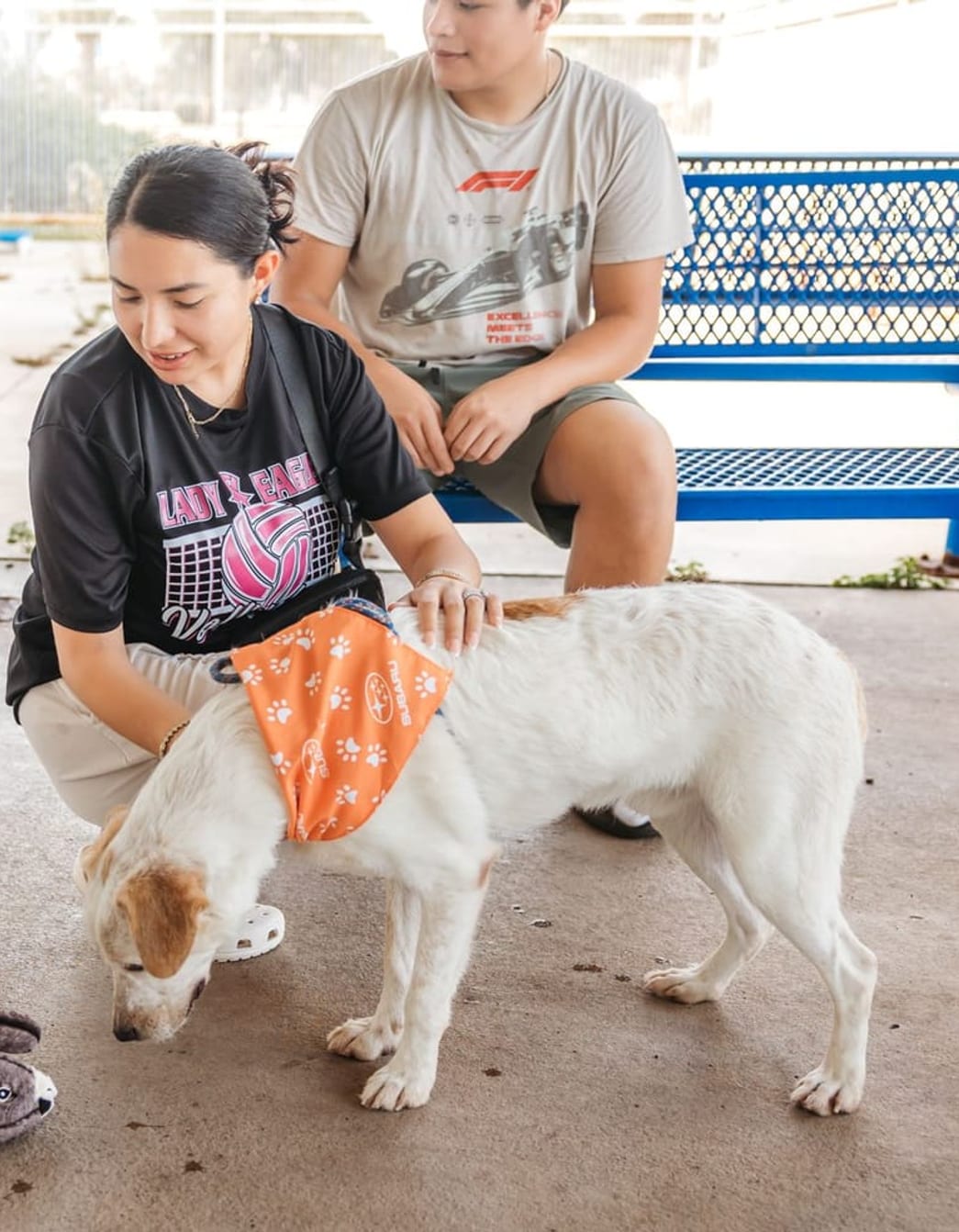
Foster FAQ
General Foster Questions
Getting started
What is a Foster Home?

A foster home is a temporary living situation for pets in our program while they wait for a permanent home, rescue transport, or space at the shelter. Foster families provide shelter, food, care, and love. Every foster home helps us save more animals.
I’m Interested in Fostering. What do I do?
Complete our online foster application at pvastx.org/foster. One of our foster coordinators will contact you within 48 hours.
Why Foster?
Many animals in our care can’t go directly to an adoption location or rescue partner right away. The only way we can save them is with foster homes. Young kittens and puppies need foster care until they’re old enough to be spayed or neutered. Some animals need time to decompress from the stress of shelter life. Others, such as older, injured, or ill animals, may need a home environment until they’re adopted.
Fostering is also personally rewarding. It offers companionship without a lifetime commitment, the satisfaction of helping an animal recover, and a meaningful, hands-on way to give back to your community.
What Type of Training do I Receive?
We ask that you participate in a foster orientation with us, and we’re always available to answer questions. If your foster animal requires medication or special care, we’ll walk you through everything before you leave so you feel comfortable and confident. No prior experience is required.
The animals
What Types of Animals Need to Be Fostered?
Nearly any animal we have can benefit from foster care: cats, dogs, puppies, and kittens. Animals who benefit most include:
- Orphaned kittens and puppies needing to be bottle-fed
- Mother cats or dogs with nursing litters
- Under-aged, self-feeding kittens and puppies (4–8 weeks old)
- Animals recovering from injury or illness (may need medication)
- Animals that are mildly sick, such as kennel cough or an upper respiratory infection
- Shy or fearful animals that need socialization
- Healthy adults that need a break from shelter life or are waiting for space
Can I Choose the Type of Animal I Bring Home?
Yes. You choose the type of animal you’re comfortable with: dog, cat, adult, young, and so on. Together with your foster coordinator, we’ll find the specific animal that’s the best fit for your home and situation.
Can I Name My Foster Animal?
Our foster animals already have names, and we ask that you keep them. Each name is tied to that animal’s medical and intake records in our system. Nicknames at home are totally fine, but please continue using their official name when communicating with our team.
How Are Foster Animals Marketed for Adoption?
Every animal in our care is listed on our website. Any photos and stories you share with us get passed along to potential adopters. We also encourage you to share about your foster animal on social media. Every post gets that animal one step closer to a permanent home.
Your home and family
How Old Do I Need to Be to Foster?
Foster parents must be at least 18 years old. If you’re under 18, you can still participate with permission from a parent or legal guardian.
Will a PVAS Representative Visit My Home?
No. We do not conduct home visits for fostering or adoption.
What if I Have Children?
Fostering is a wonderful family experience and a great way to build compassion in kids. It’s important to select an age-appropriate animal and to guide your children on how to interact with and care for the foster animal responsibly.
Responsibilities
What Are the Duties of a PVAS Foster Family?
- Feed, socialize, groom, introduce basic training, and care for the animal as if it were your own
- Bring your foster animal to scheduled vet appointments and adoption events
- Observe and report any problems or changes in behavior to the Foster Coordinator
- Return the animal to the shelter upon request or according to arrangements made by PVAS staff
How Much Time Does Fostering Take Each Day?
Commitment typically ranges from an hour or two per day for most adult animals, up to eight hours a day if you’re bottle-feeding neonatal kittens or puppies. Mostly, we just ask that you give as much love and care as you can.
Do I Need Prior Medical Knowledge or Experience?
No prior medical knowledge is required. If your foster animal needs medication, we’ll walk you through exactly how to administer it before you leave so you feel confident.
There’s Always One More That Can Be Saved
Ready to open your home? Reach out any day between 12:00 PM and 6:00 PM, and we will help you find the right fit. Email foster@pvastx.org or text 956-278-0702. For shelter locations and hours, see our Contact page.